What Are the Best Flat Roof OptionMany homeowners wonder, "What are the best flat roof options?" Choosing the right flat roofing material and system can significantly impact your home's protection and energy efficiency. This article will explore popular flat roof materials, assess systems suited for different climates, and evaluate essential factors for selection. By understanding these aspects, readers will gain valuable insights into making informed decisions, helping to enhance their property's durability and save on future maintenance costs. Let’s address these common questions and concerns to ensure a reliable roof overheaKey Takeaways
April 23, 2025
This is a subtitle for your new post
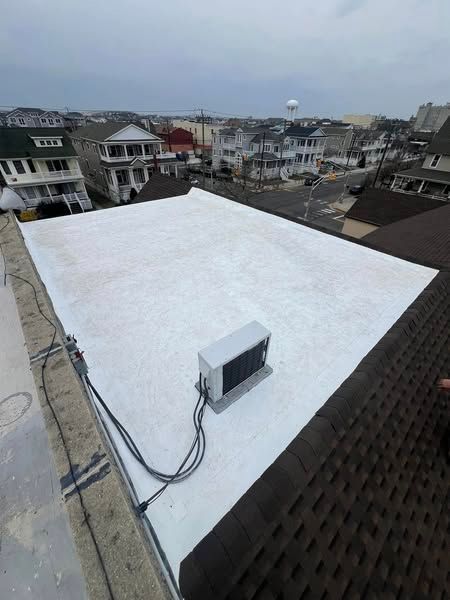
What Are the Best Flat Roof OptionMany homeowners wonder, "What are the best flat roof options?" Choosing the right flat roofing material and system can significantly impact your home's protection and energy efficiency. This article will explore popular flat roof materials, assess systems suited for different climates, and evaluate essential factors for selection. By understanding these aspects, readers will gain valuable insights into making informed decisions, helping to enhance their property's durability and save on future maintenance costs. Let’s address these common questions and concerns to ensure a reliable roof overheaKey Takeaways
- Choosing durable materials can significantly enhance the lifespan of flat roofs
- Regular inspections and maintenance are essential for preventing costly repairs and extending roof life
- Energy-efficient roofing options can reduce long-term utility costs for property owners
- Understanding local codes ensures compliance and optimal performance of flat roofing systems
- Different climates require specific roofing materials for effective insulation and durability
Explore the Advantages of Different Flat Roof Options Today
Flat roofs come in various materials, each offering unique benefits. Understanding the durability and lifespan of options like silicone and monomer is essential. Assessing thermal efficiency in systems like spray foam or fiberglass also plays a significant role. Homeowners should identify features that resist weather, examine maintenance requirements, consider aesthetic appeal, and compare costs to find the best fit for their commercial roof needs, such as those offered by jmelitecontractors.
Understand the Durability and Lifespan of Flat Roofing Materials
Understanding the durability and lifespan of flat roofing materials is vital for property owners considering the best options for energy conservation and resilience against the urban heat island effect. Materials such as metal roofs offer impressive fire retardant properties and a long service life, making them a reliable choice for various climates. In contrast, some options may struggle with debris accumulation, affecting their overall efficiency and requiring careful maintenance.
Flat Roofing Material
Durability
Lifespan
Energy Efficiency
Fire Retardant
Metal Roof
High
40-70 years
Excellent
Yes
Thermoplastic (TPO)
Moderate
15-20 years
Good
No
EPDM
High
25-30 years
Good
No
Spray Foam
Moderate
20-30 years
Excellent
No
Discover Thermal Efficiency in Various Flat Roofing Systems
Thermal efficiency is a critical factor when selecting flat roofing systems. Options like foam provide excellent insulation, minimizing energy costs and maintaining comfort indoors, while plastic roofing types can also offer decent thermal performance, leading to improved longevity. Bitumen roofs, known for their durability, can effectively shield against hail damage, ensuring that property owners protect their investments against varying weather conditions:
Flat Roofing System
Material Type
Thermal Efficiency
Longevity
Resistance to Hail
Spray Foam
Foam
Excellent
20-30 years
High
Thermoplastic
Plastic
Good
15-20 years
Moderate
Modified Bitumen
Bitumen
Good
20-30 years
High
Identify Weather Resistance Features in Flat Roofs
When assessing the weather resistance features of flat roofs, materials such as thermoplastic roofing systems stand out for their impressive durability and resilience. Composed primarily of polypropylene and chlorinated polyethylene, these options are less prone to damage from adverse weather conditions, including extreme temperatures and heavy rainfall. Utilizing a high-quality roof coating can further enhance the protective capabilities of a thermoplastic flat roof, offering additional resistance to the elements while extending its lifespan and maintaining energy efficiency.
Examine Maintenance Requirements for Each Flat Roof Type
Maintenance requirements vary significantly among different flat roof types, influencing long-term performance and durability. For instance, synthetic rubber roofs like EPDM may require regular inspections and occasional resealing to prevent moisture infiltration, while petroleum-based systems often need more frequent assessments to mitigate damage from weather extremes. Industrial roofing applications may benefit from proactive maintenance plans that include cleaning debris and checking for proper roof pitch to ensure effective drainage, ultimately extending the life of the roof and reducing long-term costs for property owners.
Evaluate the Aesthetic Appeal of Flat Roof Styles
The aesthetic appeal of flat roof styles significantly influences the overall appearance of a building. Homeowners and property owners often consider how the chosen roofing material complements the architectural design, particularly in varying climates. For instance, lightweight materials may be preferred in areas prone to heavy snow, as they reduce the risk of structural stress on the building envelope. This choice not only enhances visual appeal but also supports the long-term integrity of the structure, ensuring it meets both functional and aesthetic needs.
- Flat roofs can enhance the modern look of buildings.
- Choosing the right material can improve energy efficiency.
- Weight consideration is essential in regions with high snowfall.
- Aesthetic choices should align with the building's overall design.
- Maintaining a pleasing appearance is critical to property value.
Compare Costs and Budget Expectations for Flat Roof Options
When evaluating costs for commercial flat roof options, property owners must consider the material prices, installation fees, and long-term maintenance expenses. Commercial roofing contractors often highlight that options like ethylene and polypropylene membranes can be cost-effective choices due to their energy efficiency and lower maintenance requirements over time. Understanding the total budget expectations allows owners to make informed decisions about their roofing solutions, ensuring they balance upfront costs with future savings for their properties.
Choosing the right flat roof can change everything for your home. Next, discover the most popular materials that will keep your roof strong and reliable.
Investigate Popular Flat Roof Materials for Your Home
This section reviews popular flat roof materials suitable for modern homes, focusing on their practical advantages. TPO roofing boasts impressive resistance to ultraviolet rays and mildew, while EPDM enhances longevity through its robust characteristics. Modified bitumen offers reliable performance, and built-up roofing systems provide durability. Eco-conscious homeowners can explore green roofing solutions, and PVC flat roofing systems add versatility to protect against sunlight.
Review the Benefits of TPO Roofing for Modern Homes
TPO roofing presents several advantages for modern homes, primarily due to its energy efficiency and resistance to ultraviolet rays. This flat roof option is made from a blend of polypropylene and ethylene, giving it strong properties against ponding water and the effects of weathering. Additionally, TPO roofs can be coated with reflective finishes to enhance their durability while reducing flat roof maintenance needs, making them a practical choice for homeowners seeking long-lasting and reliable roofing solutions.
Consider EPDM Roofing Characteristics for Longevity
EPDM roofing is an excellent choice for longevity in commercial roofs. This synthetic rubber material is known for its durability and excellent weather resistance, ensuring it can withstand varying temperatures and harsh conditions without significant wear. When properly installed with adhesives, EPDM can effectively protect the deck of the roof while minimizing the risk of leaks or damage over time, making it a reliable option for property owners looking to invest in long-lasting commercial flat roofs.
Assess the Performance of Modified Bitumen Flat Roofs
Modified bitumen flat roofs are an excellent choice for homeowners looking for durable options that withstand extreme weather conditions. This roofing type combines plastic and rubber polymers, such as polyvinyl chloride and polyolefin, offering significant flexibility and protection against adverse elements. Regular inspection is essential to ensure the integrity of the roof, as it can help identify issues that may require maintenance, such as loose screws or seam deterioration, thereby prolonging the lifespan of the roofing system.
Analyze the Use of Built-Up Roofing Systems
Built-up roofing systems, commonly known as BUR, are a dependable choice for flat roofs. These systems consist of multiple layers of bitumen and reinforcing fabrics, creating a robust barrier against leaks and weather elements. Adding components like polymer or sheet metal flashings can improve drainage and prevent water accumulation, making them an effective solution for property owners concerned about potential roof damage.
- Durability over time due to multiple protective layers.
- Effective drainage systems mitigate water pooling.
- Incorporating materials like copper enhances lifespan and aesthetic value.
- Regular inspections prevent issues such as leaks and ensure performance.
Explore Green Roofing Solutions for Eco-Conscious Homeowners
Green roofing solutions, such as living roofs and eco-friendly membrane systems, have gained popularity among environmentally conscious homeowners. These systems provide insulation, reduce urban heat, and support biodiversity by incorporating vegetation, while using sustainable fasteners that minimize environmental impact. Homeowners should also consider warranties when choosing these systems, as a solid warranty can offer reassurance against potential stress and maintenance issues over time.
Look at the Versatility of PVC Flat Roofing Systems
PVC flat roofing systems are known for their versatility and reliability, making them an excellent choice for various buildings. These roofs effectively handle thermal shock, which occurs due to temperature fluctuations, ensuring structural integrity over time. Their resistance to wind and harsh weather conditions, combined with energy-efficient properties, allows homeowners to save on heating and cooling costs while also providing a strong barrier against water intrusion. The incorporation of steel reinforcements enhances durability, making PVC roofing a practical option for those seeking long-lasting solutions:
Property
Benefits
Thermal Shock Resistance
Prevents cracks and warping due to temperature changes
Energy Efficiency
Lowers heating and cooling costs
Wind Resistance
Withstands harsh weather environments
Steel Reinforcements
Enhances overall durability
Material Composition
High levels of diene improve flexibility and performance
Now that the materials are clear, it’s time to think about how they hold up in different climates. The right system can make all the difference in protecting your home from the elements.
Assess the Best Flat Roof Systems for Different Climates
When selecting flat roof systems, various climate factors must be considered to ensure optimal performance. For hot climates, membrane roofing options provide enhanced durability and life expectancy, while cold weather solutions focus on insulation and moisture management. Additionally, extreme weather requires roofing materials with robust substrates. Understanding local codes is essential for compliance, impacting long-term performance. Roofing contractors can offer tailored advice based on climate conditions, ensuring effective choices for each unique environment.
Examine Flat Roof Options Suitable for Hot Climates
For hot climates, selecting flat roofing options that can withstand extreme temperatures and reduce water damage is crucial. Materials such as polyurethane offer excellent insulation and durability, making them ideal for roofs that face intense sunlight. Additionally, using roofing systems with tar or tile can help reflect heat and prevent thermal expansion, thereby extending the roof's lifespan and reducing the need for frequent repairs.
- Polyurethane provides superior insulation and durability.
- Tar and tile roofing systems reflect heat effectively.
- These materials help mitigate water damage in hot climates.
- Consulting a professional roofer can ensure the best options are chosen.
Identify Solutions for Cold Weather Flat Roofing Needs
For cold weather conditions, thermoplastic olefin roofing stands out as an effective solution due to its resilience and energy-saving properties. This material contains scrim, which enhances its strength against harsh winter elements, while maintaining flexibility during temperature fluctuations. Proper installation of zinc flashing will help to prevent water infiltration, ensuring that roof edges remain secure against damaging ice dams and snow accumulation. Additionally, using flame-retardant materials can provide extra safety and peace of mind, making thermoplastic roofs a wise choice for homeowners looking to protect their properties during the colder months.
Analyze the Impact of Moisture on Flat Roofing Choices
Moisture significantly impacts the choice of flat roofing systems, particularly in climates prone to heavy rainfall or snow. Proper drainage is essential for preventing water accumulation, which can lead to leaks and structural damage over time. Selecting materials with superior waterproofing properties, such as EPDM or TPO, helps ensure longevity and robust protection against moisture-related issues, making them suitable options for areas facing frequent wet conditions.
Discuss Flat Roof Systems Designed for Extreme Weather
Flat roof systems designed for extreme weather conditions must prioritize resilience and durability. Materials such as modified bitumen and thermoplastic olefin (TPO) are effective in resisting severe winds and heavy rainfall, making them suitable choices for areas prone to harsh climates. Furthermore, incorporating features like enhanced drainage systems can prevent water accumulation, reducing the risk of leaks and extending the overall lifespan of the roofing system.
Learn About Local Codes Affecting Flat Roof Installations
Understanding local codes is essential for anyone considering flat roof installations. These regulations vary by region and dictate aspects such as materials, design, and structural integrity requirements to ensure safety and performance. Property owners should consult with local building authorities or seasoned roofing professionals to stay compliant and select the best flat roof options suitable for their specific climate and conditions.
Evaluate Long-Term Performance Based on Climate Conditions
Evaluating long-term performance based on climate conditions is crucial for selecting the most effective flat roof systems. In regions with extreme temperatures, materials like modified bitumen and thermoplastic olefin can withstand harsh conditions, providing durability and resistance to severe weather. This ensures that property owners can minimize the risk of damage and costly repairs while enjoying peace of mind regarding the longevity and effectiveness of their roofing investment.
With the right flat roof system in mind, attention turns to the factors that truly matter in the selection process. Understanding these key elements will ensure that a durable and reliable roofing choice is made.
Evaluate Key Factors When Choosing Flat Roofing
When selecting the best flat roof options, several key factors must be evaluated. Prioritizing weight considerations ensures that the roof can support the structure adequately. Different insulation types can enhance energy efficiency, contributing to lower utility costs. It is vital to consider slope and drainage requirements to prevent water accumulation. Installation methods significantly influence durability, while local manufacturer warranties and support options provide added assurance. Compatibility with existing structures ensures a seamless integration of the new roofing system.
Prioritize Weight Considerations for Flat Roof Installations
When selecting flat roofing options, prioritizing weight considerations is essential to ensure structural integrity and longevity. The chosen roofing materials should not only meet durability standards but also align with the building's capability to support them without added stress. For instance, lightweight materials like TPO or PVC can be advantageous in areas susceptible to heavy snow, as they help reduce the risk of structural issues while providing effective insulation and energy efficiency.
Discuss Insulation Types That Enhance Energy Efficiency
When it comes to enhancing energy efficiency in flat roofing systems, selecting the right insulation type is crucial. Rigid foam boards, for example, provide excellent thermal resistance and are commonly used in flat roofs to mitigate heat loss during colder months and reduce cooling demands in warmer seasons. Additionally, spray foam insulation can create a seamless barrier that not only insulates but also waterproofs the roofing system, further protecting against moisture infiltration, which is vital for maintaining a durable and energy-efficient flat roof.
Consider the Slope and Drainage Requirements for Flat Roofs
Considering slope and drainage requirements is vital when selecting flat roofing systems. Effective drainage prevents water accumulation, which can lead to leaks and structural damage over time. Properly designed and installed roofs should have a slight slope, directing water toward drainage points and away from the edges to safeguard against potential moisture-related issues, ensuring longevity and performance of the roofing system.
Look Into Installation Methods and Their Importance
Choosing the right installation method for flat roofing can significantly impact the system's overall performance and longevity. Professional installers can emphasize proper techniques, such as achieving the correct slope for drainage, ensuring adequate sealing, and utilizing compatible materials, each of which helps prevent leaks and water damage. By prioritizing skilled installation, property owners can enhance the durability of their flat roofs and reduce the frequency of maintenance, ultimately leading to cost savings over time.
Review Local Manufacturer Warranties and Support Options
Reviewing local manufacturer warranties and support options is essential when selecting flat roofing materials. Strong warranties can provide peace of mind, covering potential defects and ensuring that the roofing system meets quality standards. Property owners should also consider the availability of customer support, as prompt assistance can address any concerns that arise post-installation, ultimately safeguarding their investment in a durable and reliable roofing solution.
Assess Compatibility With Existing Structures and Systems
Assessing compatibility with existing structures and systems is essential when selecting flat roof options. Property owners must ensure that the new roofing material aligns with the current framework, accounting for factors like weight, drainage, and insulation. Understanding these elements not only promotes structural integrity but also enhances the overall performance of the roofing system, thereby extending its lifespan and reducing long-term costs.
The choices made in roofing can weigh heavily on the budget. As costs and lifespan vary, it is wise to compare what you get for your investment.
Compare Flat Roof Installation Costs and Lifespan
The costs associated with flat roof installation vary significantly across different materials, impacting long-term maintenance and overall value. Analyzing these installation costs alongside potential insulation savings reveals the financial benefits of selecting the right roofing option. Furthermore, exploring financing choices and evaluating the return on investment highlights how roof lifespan plays a crucial role in determining the value of flat roof solutions.
Breakdown of Average Costs for Various Flat Roofing Types
The average costs for various flat roofing types can vary significantly, influencing both immediate budgets and long-term investments. For instance, TPO roofing generally ranges from $5 to $8 per square foot, making it a cost-effective option with decent energy efficiency. In contrast, premium choices like PVC may come with costs of $7 to $10 per square foot, but their durability and energy-saving properties can result in lower maintenance expenses over time, ultimately providing better value for property owners looking for longevity.
Analyze Installation Costs Versus Long-Term Maintenance
When analyzing installation costs compared to long-term maintenance for flat roof options, it becomes clear that initial expenses are only part of the equation. For example, while materials like TPO may have a lower upfront price, they can require more frequent inspections and repairs, which can add to overall costs over time. Conversely, investing in more durable options, such as PVC or metal roofing, may include higher initial expenses but typically result in less maintenance, ultimately providing better value and longevity for property owners seeking reliable roofing solutions.
Review the Potential for Insulation Savings Over Time
Investing in high-quality insulation for flat roofs can significantly lead to insulation savings over time. Properly installed insulated roofing systems, such as TPO or spray foam, enhance energy efficiency by reducing heating and cooling costs. Over the lifespan of the roofing material, homeowners may notice substantial reductions in their energy bills, making these options not only cost-effective but also an attractive choice for those looking to balance upfront investments with long-term financial benefits.
Investigate Financing Options for Flat Roofing Projects
Homeowners considering flat roofing projects should explore various financing options to manage their investments effectively. Many roofing companies offer flexible payment plans, allowing property owners to spread the cost over time, reducing the financial burden. Additionally, local governments or energy-efficient programs may provide loans or rebates for environmentally friendly roofing systems, such as TPO or EPDM, which can further enhance long-term savings while improving the property's value.
Consider the Return on Investment for Flat Roof Solutions
When evaluating the return on investment (ROI) for flat roof solutions, property owners often find that choosing durable materials can lead to long-term savings and fewer maintenance issues. For instance, while the initial costs for options like metal roofing may be higher, their extended lifespan and low upkeep can offset these expenses over time, providing significant financial benefits. Additionally, energy-efficient roofing systems, such as TPO or EPDM, tend to reduce energy costs, further enhancing the overall value of the investment.
Flat Roofing Material
Average Installation Cost per Sq Ft
Average Lifespan (Years)
Estimated Annual Maintenance Cost
Energy Savings Potential
Metal Roof
$7 - $10
40 - 70
$100 - $200
High
TPO
$5 - $8
15 - 20
$75 - $150
Moderate
EPDM
$6 - $9
25 - 30
$100 - $175
Moderate
PVC
$7 - $10
20 - 30
$80 - $160
High
Evaluate How Roof Lifespan Affects Overall Value
The lifespan of a flat roof significantly influences its overall value for property owners. Opting for longer-lasting materials, such as metal or PVC, not only reduces the frequency of replacements but also minimizes maintenance costs over time. This investment in durability can lead to substantial savings and increase the property's value, as potential buyers often seek roofs with extended lifespans and lower upkeep requirements:
Flat Roofing Material
Average Installation Cost per Sq Ft
Average Lifespan (Years)
Estimated Annual Maintenance Cost
Energy Savings Potential
Metal Roof
$7 - $10
40 - 70
$100 - $200
High
TPO
$5 - $8
15 - 20
$75 - $150
Moderate
EPDM
$6 - $9
25 - 30
$100 - $175
Moderate
PVC
$7 - $10
20 - 30
$80 - $160
High
Choosing a flat roof isn’t just about cost; it’s also about how well it endures over time. To truly protect that investment, understanding maintenance practices is key for lasting durability.
Review Maintenance Practices for Flat Roof Longevity
Routine inspections and checklists are essential for maintaining flat roofs, ensuring early identification of potential issues. Effective cleaning methods contribute to roof longevity, while understanding common repairs helps property owners mitigate damages. Emphasizing the significance of drainage system maintenance and following seasonal maintenance tips will enhance roof performance. Knowing when to seek professional assistance ensures that repairs are handled efficiently, safeguarding the roof's integrity.
Learn About Routine Inspections and Checklists
Routine inspections are fundamental to the longevity of flat roofs. Property owners should develop a checklist to regularly assess key areas such as drainage systems, surface integrity, and seams for potential damage. Performing these inspections can help identify issues early, allowing for timely repairs that can prevent more significant problems and costs down the line, ensuring the longevity and effectiveness of the chosen flat roof options.
Determine Cleaning Methods for Flat Roofing Surfaces
Regular cleaning of flat roofing surfaces is essential for maintaining their integrity and extending their lifespan. Property owners should use a soft-bristle broom or a pressure washer on low settings to remove debris, leaves, and dirt, as these materials can lead to roofing damage or water pooling. Additionally, applying a mild detergent with water can help eliminate stubborn stains, and routine inspections after cleaning will ensure that any issues are addressed promptly, enhancing the roof’s overall performance and longevity.
Identify Common Repairs Needed for Flat Roofs
Common repairs needed for flat roofs often include addressing leaks, blistering, and seam issues. Property owners should be vigilant in monitoring their roofs for signs of wear, such as water stains or pooling, which can indicate a problem requiring prompt attention. Regular maintenance checks can help identify these concerns early on, potentially saving owners from more extensive repairs in the future:
Common Repair Issue
Description
Recommended Action
Leaks
Presence of water stains or moisture inside the building
Inspect seams and membrane; seal or replace affected areas
Blistering
Raised areas on the roof surface caused by trapped moisture
Puncture blisters and seal them; consider replacement if extensive
Seam Issues
Loosening or separation at joints where membrane layers meet
Reinforce seams with additional adhesive or tape
Discuss the Importance of Drainage System Maintenance
Maintaining the drainage system on a flat roof is essential to prevent water accumulation, which can lead to leaks and structural damage. Regular inspections ensure that drains and downspouts are clear of debris, allowing water to flow freely and reducing the risk of ponding. Homeowners should prioritize drainage system maintenance as part of their overall roofing care to enhance the longevity and performance of their flat roof options.
Explore Seasonal Maintenance Tips for Flat Roofs
Seasonal maintenance plays a crucial role in ensuring the longevity of flat roofs. Property owners should conduct a thorough inspection at the start of each season, checking for debris accumulation, water pooling, and signs of wear. By addressing minor issues promptly, such as clearing clogged drains and repairing small leaks, property owners can prevent costly repairs and extend the lifespan of their flat roofing systems:
Season
Maintenance Tasks
Spring
Clear debris and inspect for leaks after winter weather.
Summer
Check for UV damage and ensure drainage systems are functioning.
Fall
Remove leaves and assess for any signs of damage before winter.
Winter
Monitor for ice dams and ensure gutters are clear to prevent water backup.
Review When to Seek Professional Assistance for Repairs
Property owners should seek professional assistance for repairs when they notice issues that extend beyond minor maintenance, such as significant leaks or structural damage. Engaging a qualified roofing contractor can ensure that proper techniques are used to address complex issues, safeguarding the longevity of the flat roof. Signs that indicate the need for expert help include persistent water stains, signs of wear in roofing material, or difficulty in draining water:
- Persistent leaks or water stains inside the building.
- Visible wear or damage on the roofing surface.
- Clogged drainage systems causing water pooling.
- Signs of structural issues requiring immediate attention.
Conclusion
Selecting the best flat roof options is essential for ensuring durability, energy efficiency, and long-term value for properties. Homeowners must consider factors such as material lifespan, thermal efficiency, and maintenance requirements to make informed decisions. Understanding the specific needs of each climate and the associated costs will help optimize roof performance and minimize future expenses. By investing in the right flat roofing solution, property owners protect their investments while enhancing the overall integrity and aesthetics of their buildings.
Expert Flat Roofing Solutions for South Jersey Homes and Businesses
By Luke Ireland • December 10, 2025
Expert Flat Roofing Solutions for South Jersey Homes and Businesses
Benefits of Flat Roofing in South Jersey
By Luke Ireland • May 1, 2025
Flat Roof Benefits
Roof Leak Tips
December 11, 2024
Roof Leak Tips: Identifying the Problem Early
Top Roof Leak Repair Services in NJ: Your Ultimate Guide
July 30, 2024
Why Timely Roof Leak Repair is Essential Finding the best roof leak repair NJ is critical for maintaining your home or business. When it comes to roof maintenance and repair, especially with New Jersey's unpredictable weather, timely action is crucial. From harsh winter storms to stormy seasons, your roof takes a beating. Ignoring a small leak can quickly become a major issue, leading to structural damage, mold growth, and costly energy bills. To help you understand why roof leak repair should be a priority, let’s dive into the essential aspects you need to know. The sooner you address a roof leak, the better you protect your home and wallet. Why Timely Roof Leak Repair is Crucial Structural Damage A small leak might seem harmless, but it can cause significant harm to your home's structure over time. Water can seep into the wood and other materials, weakening them and potentially leading to a collapse. Repairing roof leaks promptly helps maintain your home's structural integrity and keeps your family safe. Mold and Mildew Wet conditions are a breeding ground for mold and mildew. Once mold starts growing, it can spread quickly, affecting both the air quality and the health of your household. Mold can cause respiratory issues and other health problems. Fixing leaks as soon as they appear can prevent mold from taking root and spreading. Insulation Degradation When water gets into your attic or walls, it can dampen the insulation. Wet insulation loses its effectiveness, leading to higher heating and cooling costs. Regularly checking and repairing your roof ensures your insulation remains dry and effective, keeping your home comfortable and energy-efficient. Electrical Hazards Water and electricity are a dangerous mix. Leaks can reach your home's electrical wiring, posing a serious fire risk. This makes timely roof leak repair not just a matter of comfort but of safety as well. Addressing leaks quickly can prevent these hazardous situations. Increased Energy Costs A damaged roof can let conditioned air escape, making your HVAC system work harder to maintain a comfortable temperature. This inefficiency can lead to higher energy bills. By repairing leaks promptly, you can maintain your home's energy efficiency and save on utility costs. Ignoring a small leak can quickly become a major issue, leading to structural damage, mold growth, and costly energy bills. To help you understand why roof leak repair should be a priority, let’s look into the important things you need to know. The sooner you address a roof leak, the better you protect your home and wallet.
Pros and Cons of Cedar Shake Roofing in South Jersey
By Mark Walton • July 15, 2024
Cedar roofing in South Jersey